


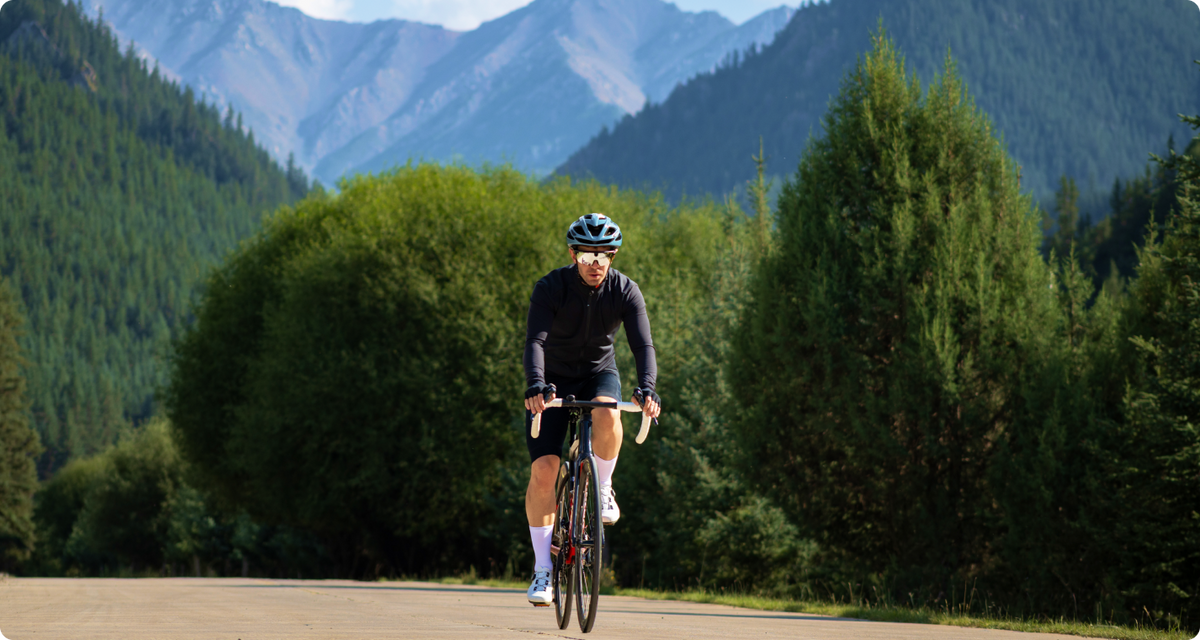
Outdoor footage is won or lost in changing light. Rover's 3K 60FPS HDR recording is built for rides where speed, glare, shade, and road detail all have to survive in the same clip.
A ride rarely gives a camera one clean lighting condition. Cyclists move from tree shade to open road, from wet pavement to bright sky, from a tunnel back into sunlight. That is where recording glasses need more than a basic sensor.
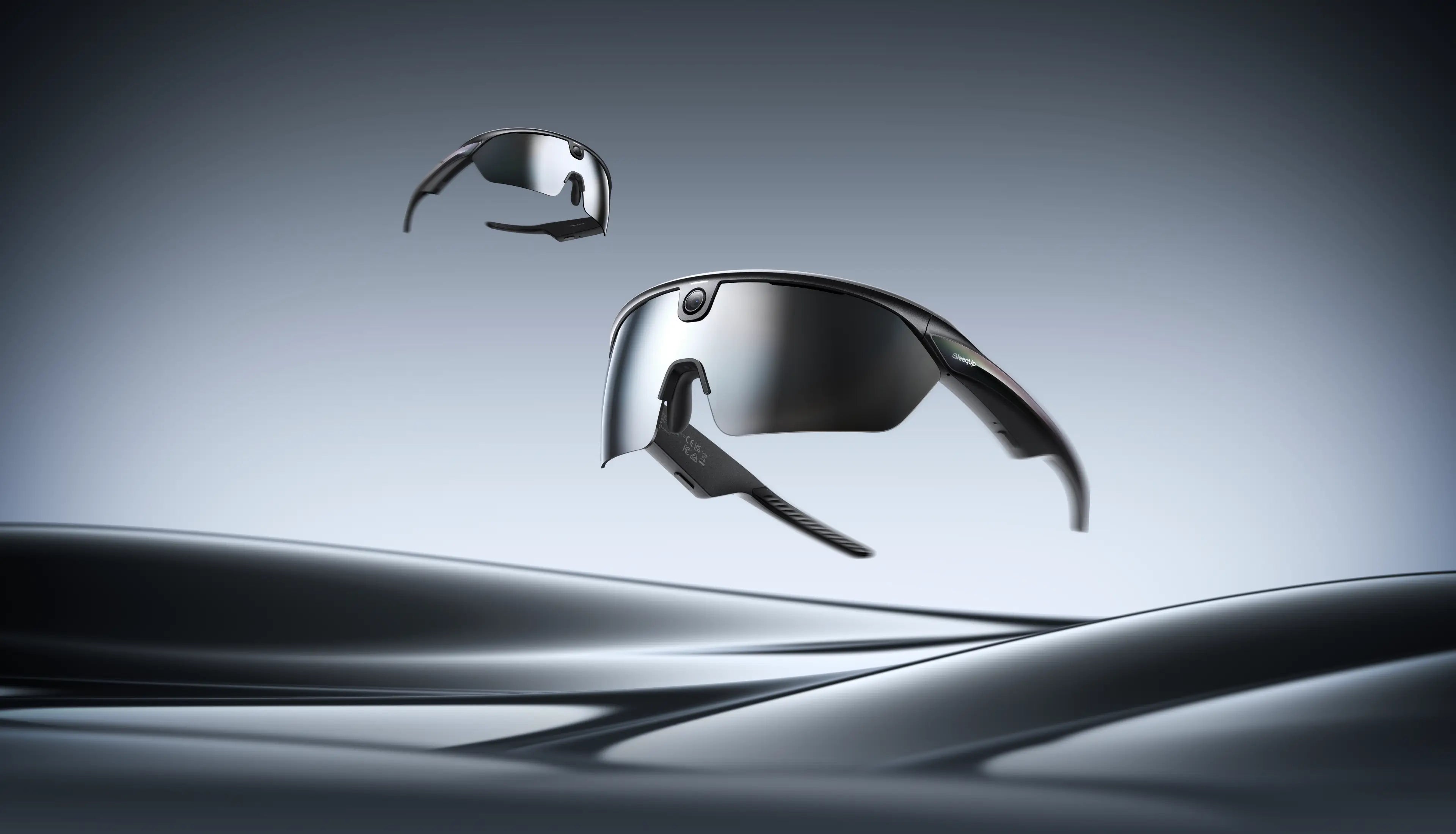
BleeqUp Rover uses a Sony 16MP sensor and supports 3K video at 60 frames per second with HDR. The point is not a larger number for its own sake. Higher resolution helps preserve detail. Sixty frames per second keeps motion easier to watch. HDR helps protect usable information when bright and dark areas appear together.
What 3K 60FPS HDR gives riders
For cyclists, detail is practical. It helps show the surface of the road, the line through a corner, traffic position, trail texture, and group-ride spacing. Smooth motion matters when the subject moves quickly or the rider turns their head.
That is especially relevant for camera glasses. You are not holding the frame still with both hands. The camera sits in the glasses and follows your point of view while you pedal, brake, check traffic, climb, descend, or ride gravel.
HDR is for mixed light, not night mode
HDR is most useful when a scene contains strong contrast: a shaded lane with bright sky, a backlit road sign, or a forest exit into sun. It helps keep more of the scene usable instead of crushing shadows or blowing out highlights.
Rover also includes Super Night Video for low-light video, but HDR and night mode should be treated as separate capture modes. HDR is for high dynamic range scenes. Super Night Video is for darker video conditions. Choosing the right mode matters more than stacking feature names.
| Feature | Best use | Rider benefit |
|---|---|---|
| 3K resolution | Outdoor rides with road, trail, and traffic detail | More information remains visible after the ride. |
| 60FPS | Fast movement, descents, and head turns | Motion looks smoother and easier to review. |
| HDR | Sun, shade, glare, and high-contrast scenes | Bright and dark parts of a clip stay more usable. |
Why capture quality supports AI editing
Cleaner video also matters after the ride. AI highlights, one-tap edits, and route recaps all start with the footage Rover records. If the original clip loses road detail or motion clarity, there is less useful material to work with.
For post-ride editing, read how to use BleeqUp App AI Highlights. For product specs and current availability, visit the BleeqUp Rover AI Sports Glasses product page. If you are choosing between camera glasses models, start with our camera glasses for cycling buying guide.
Recommended Rover products
If clear ride recording is the priority, start with the BleeqUp Rover AI Sports Glasses. For riders who need a fuller setup for long days out, the Rover AI Sports Glasses Bundle pairs the core glasses with Rover-focused accessories. For extra runtime planning, consider Rover Power Plus; for routes that move between harsh sun and shade, consider the Rover Photochromic Lens.
FAQ
Does Rover record 3K at 60 frames per second?
Yes. Rover's source material describes 3K 60FPS HDR video recording with a Sony 16MP sensor.
Can HDR and night mode be used at the same time?
No. The product source material treats HDR and Super Night Video as separate modes, so riders should choose the mode that matches the lighting.
Who benefits most from 3K 60FPS HDR recording?
Cyclists and outdoor athletes who move through sun, shade, traffic, trails, and fast descents benefit because the footage needs to stay usable after the ride.


